Phoenix Lights 1997 — Two Events in One Night
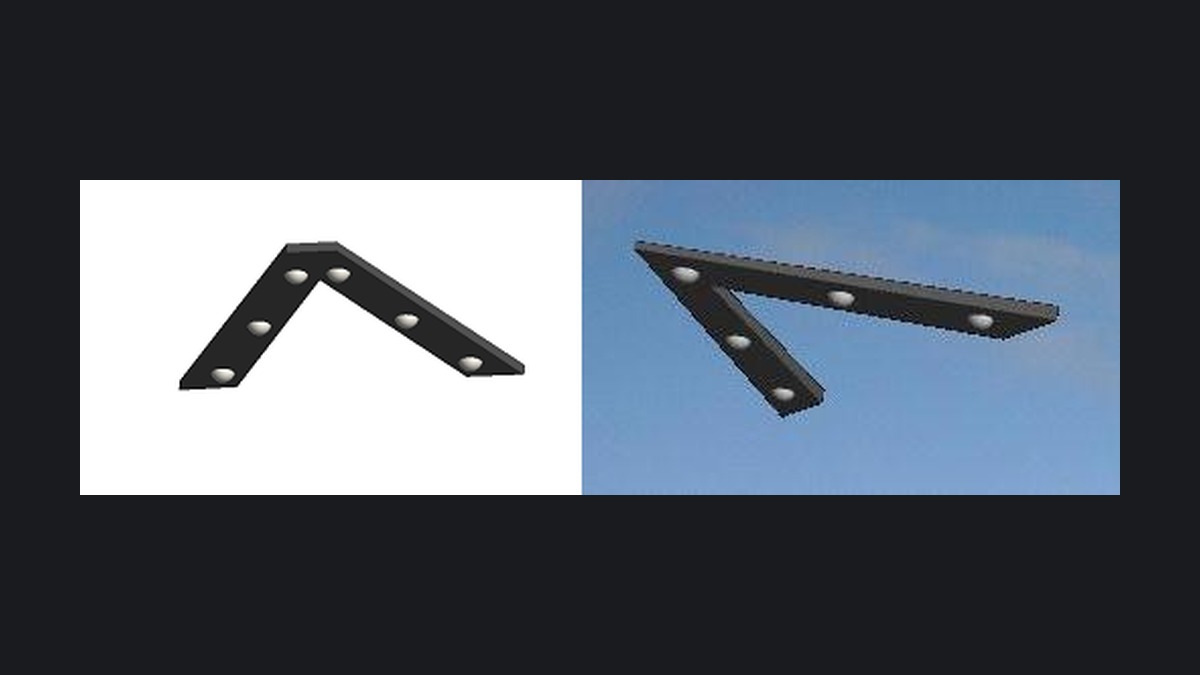
On March 13, 1997, Arizona witnesses reported two temporally and visually distinct phenomena: a southbound V formation around 8:15–8:45 p.m. and a later array of lights around 10 p.m. The late lights were very probably illumination flares; a formation of aircraft is a strong but not conclusively documented explanation for the earlier formation.
Videos
Background
On the evening of March 13, 1997, numerous reports arrived from a long corridor through Arizona. Contemporary NUFORC and MUFON work and later analyses show that the name “Phoenix Lights” combined two different episodes. Between roughly 8:15 and 8:45 p.m., witnesses described a V or arc formation moving south. Mitch Stanley saw individual aircraft through a telescope; Thomas E. Bullard’s CUFOS review of 128 reports supports a high-altitude aircraft formation while leaving details such as conspicuous brightness, perceived size changes, and the flight’s exact identity unresolved. Around 10 p.m., apparently stationary lights appeared southwest of Phoenix. Lines of sight, descent, drift, and military training information strongly support illumination flares over the Barry Goldwater Range. That explanation for the late episode does not automatically answer every report of the earlier formation.
Significance
The case is especially instructive because a plausible explanation for the visually iconic late episode became, in public memory, an explanation for the entire evening. The central unresolved question is less a proven secret flare operation than the later conflation of two episodes through media, official communication, and memory.