Topic · Sightings & visual evidence · 2026-07-23
What sensors can show — radar, infrared & video
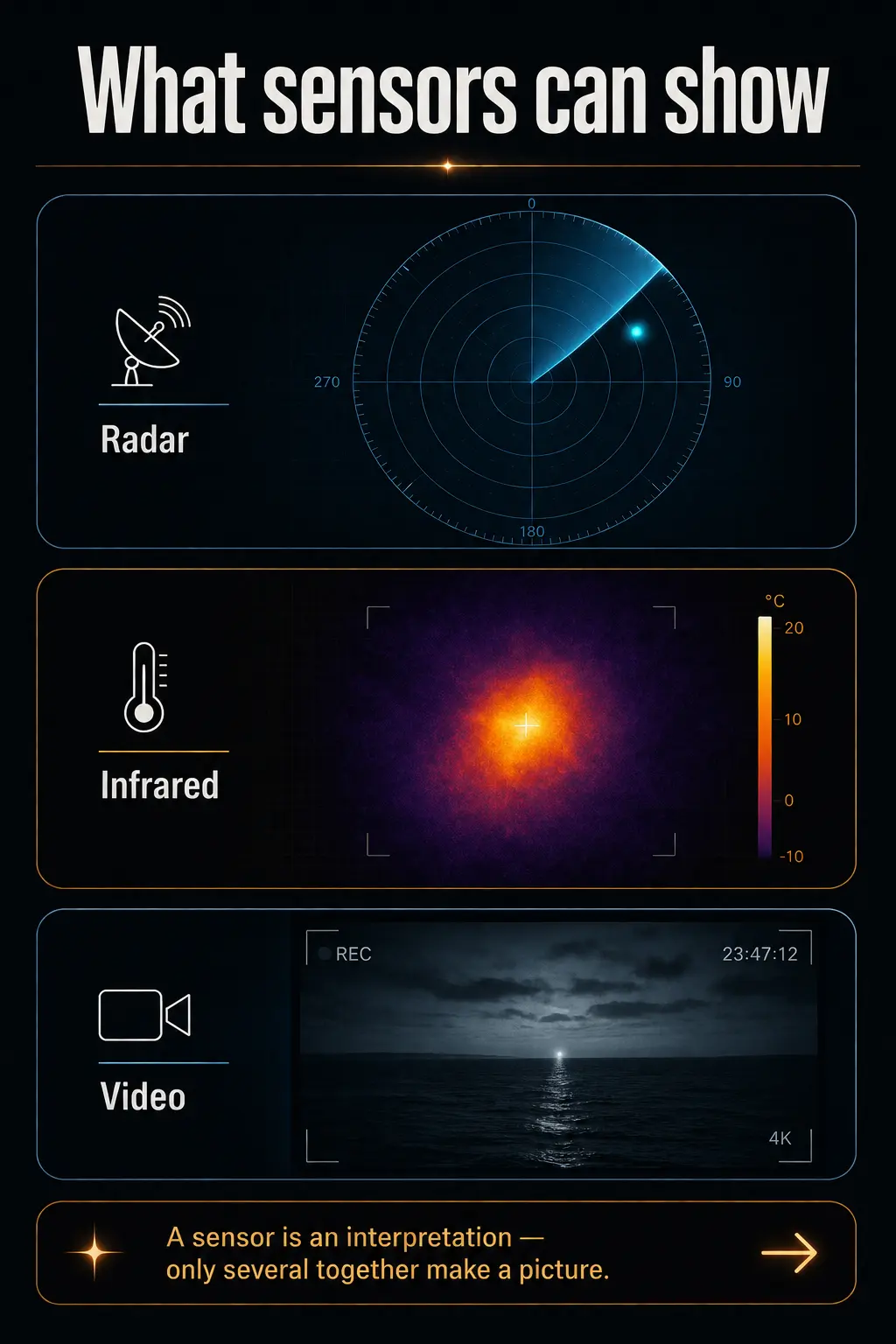
Radar, infrared, video: every sensor sees the world differently. What looks “impossible” on screen is often a quirk of the technology — not of the object.
Every sensor sees differently — what in a recording is a real object, and what an artifact of the measurement?
No sensor sees the truth directly; each measures only a slice. A case becomes strong only when several independent sensors show the same thing.
This spine explains what radar, infrared and video each measure, where they deceive themselves, why several sensors together are so strong — and what the famous Navy videos actually show. It deepens the tech side of Why no better UFO images?.
KI-generiert (Seedream 4.5, From Beyond Space), Illustration
Context
Three sensors, three worlds
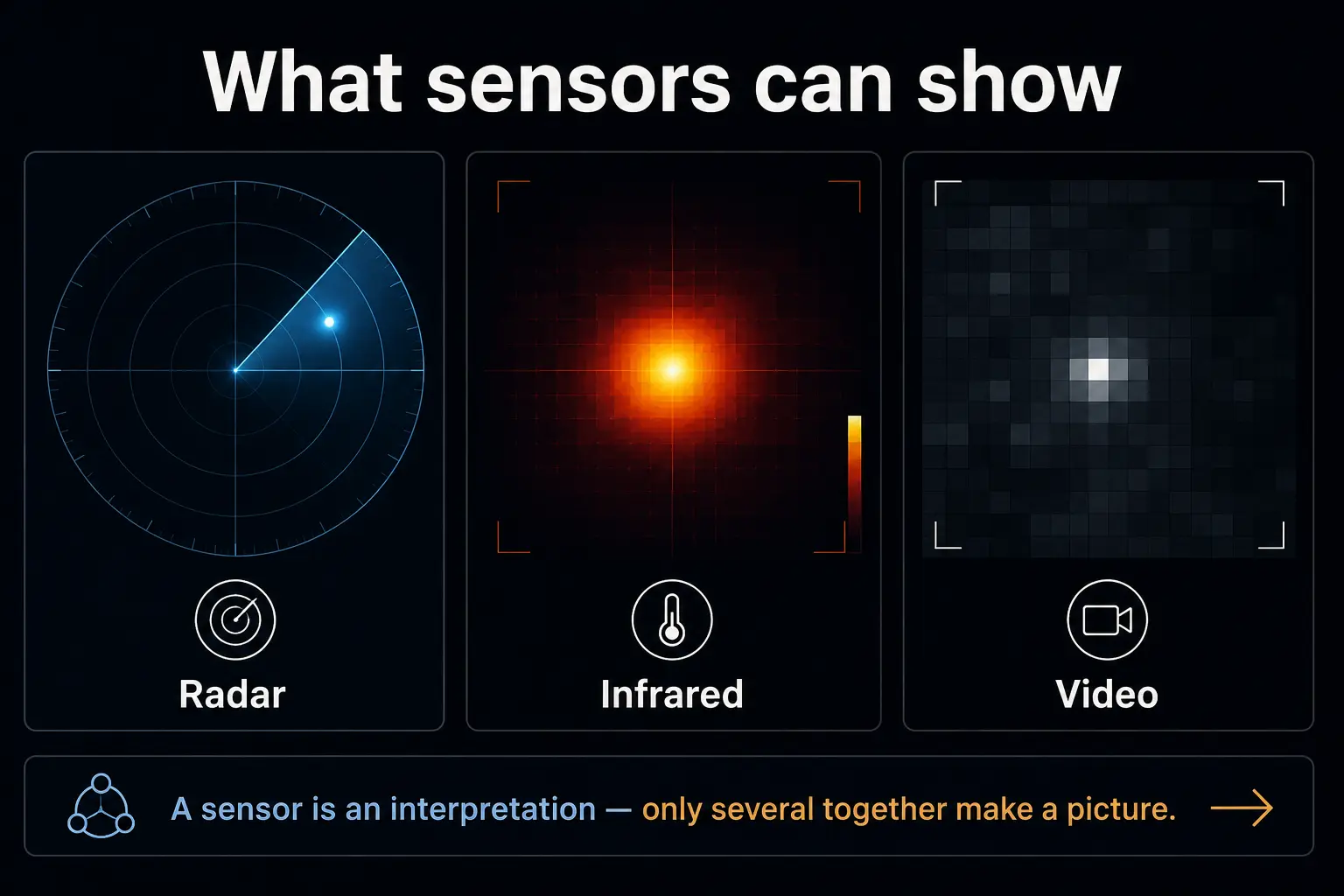
Radar measures reflected radio waves, infrared measures heat, video measures visible light. The same object looks completely different in each.
None of these sensors shows “the object” — each shows its own measured quantity. A hot spot in infrared can be a cool but strongly reflective target in radar. Only reading them together yields a picture.
Graphic illustration · KI-generiert (GPT-Image-2, From Beyond Space), faktengeprüft
Thinking trap
When the sensor deceives itself
Every sensor creates its own artifacts: radar ghosts, infrared glare, video distortion. They easily look like alien objects.
These effects are known and reproducible. Whoever knows them recognises them again — and does not read every anomaly as something extraordinary.
Radar ghosts
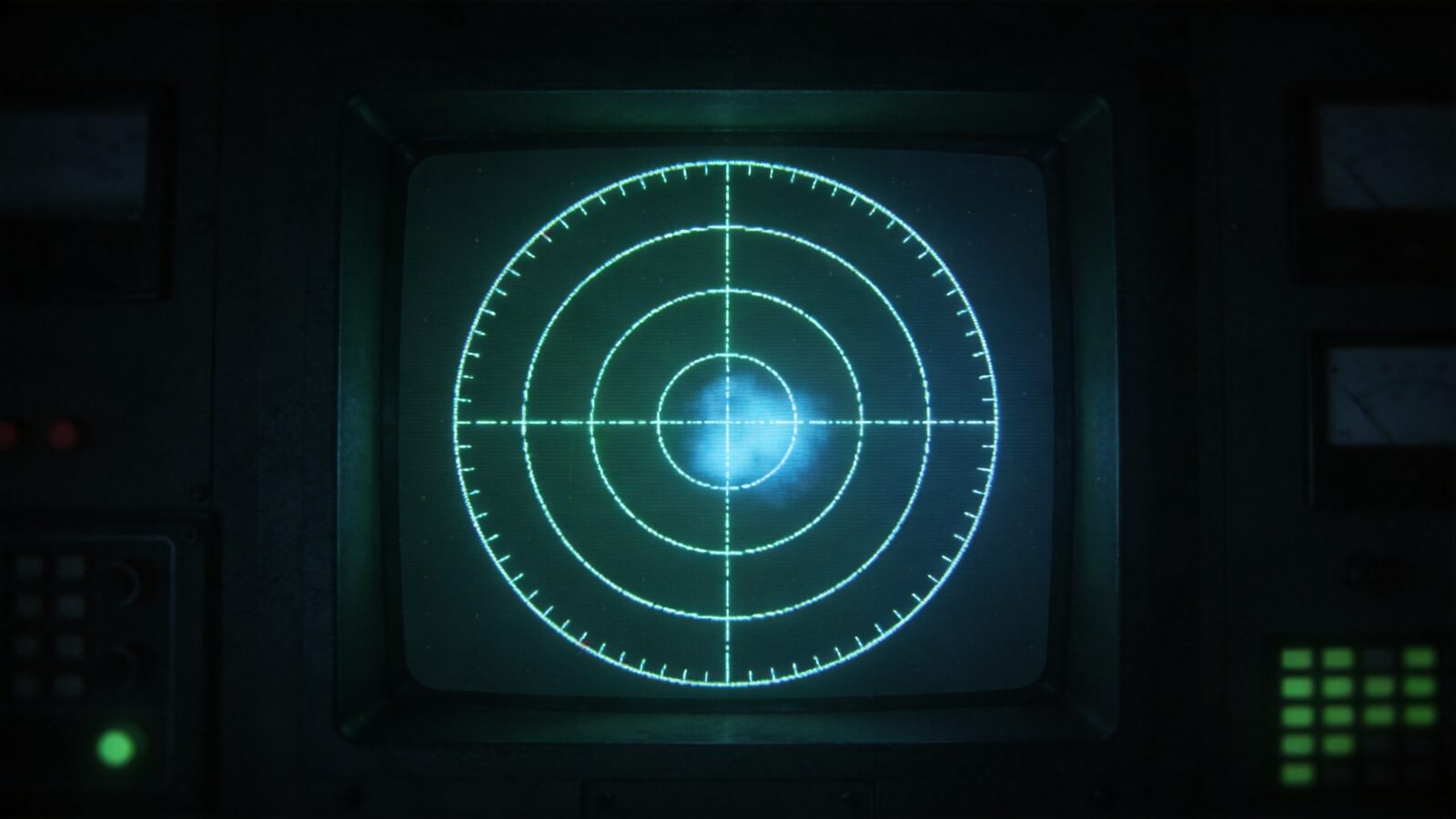
Radar can show objects that aren’t there: false echoes from temperature layers, ground reflections or interference.
In “anomalous propagation” a temperature layer in the air bends the radar beam, so distant or ground-level objects appear as seemingly fast targets in the wrong place. A radar track alone is therefore only a start.
Context
Why several sensors together are strong
One sensor alone stays ambiguous. If radar, infrared and eyewitnesses independently show the same thing, the artifact of any single technology drops out.
This is the core of any strong case assessment: multi-channel evidence. A glare does not also appear in radar; a radar ghost gives off no heat. That is why a multi-channel case sits at the top of the ladder in What counts as evidence?.
The more independent sensors show the same thing, the further right — and the harder to explain away.
Thinking trap
The Navy videos: what the camera shows
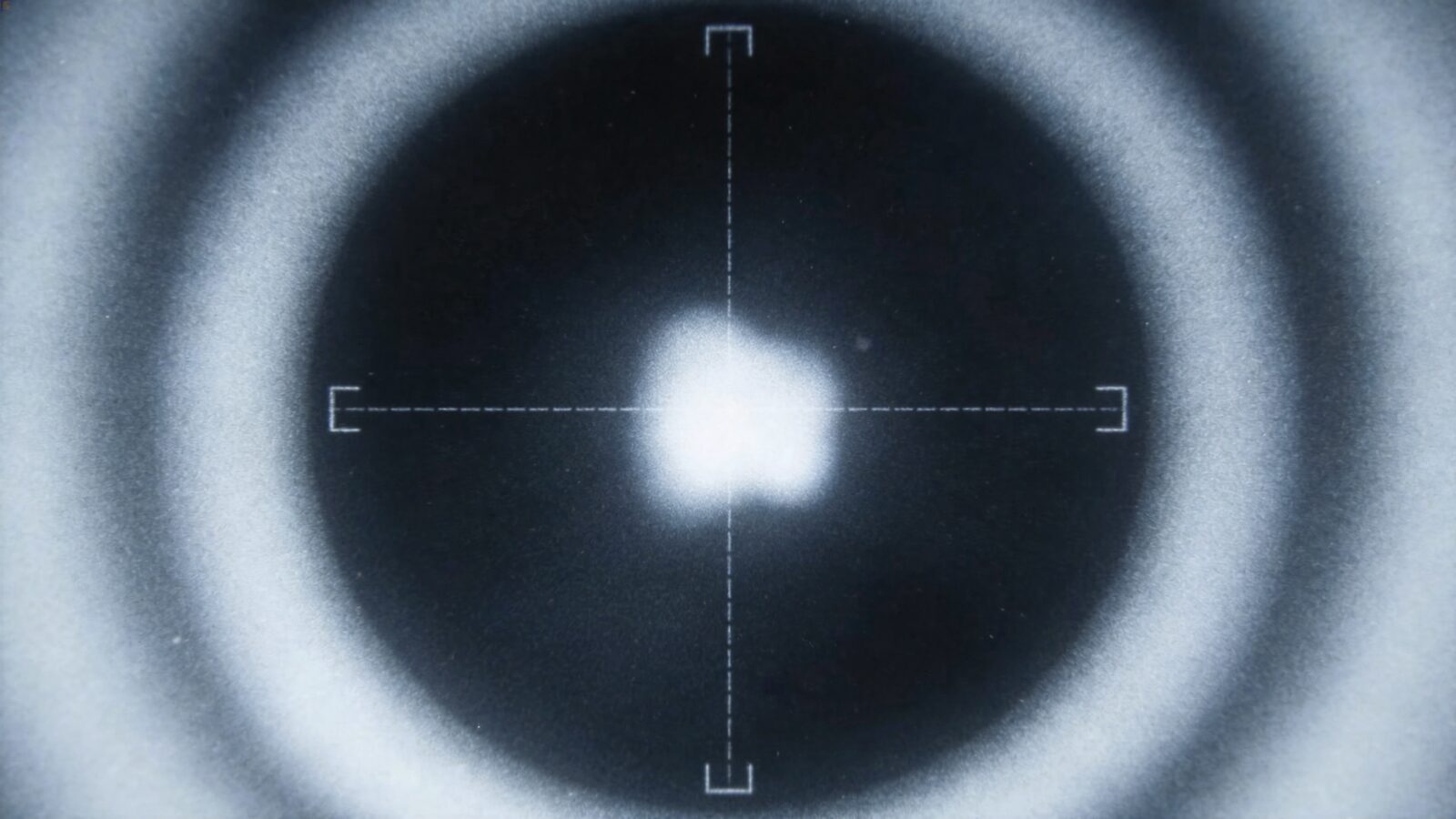
The famous clips are genuine infrared recordings — but the very sensor effects explain much of what looks “impossible” in them.
The videos (released 2020) are authentic. Skeptical analyses such as Mick West’s on Metabunk attribute the “rotation” in the Gimbal clip to glare plus the camera gimbal, and the “racing” GoFast object to parallax. Confirmed genuine is precisely not confirmed extraordinary.
Genuine infrared recordings from military cameras, officially released.
“Rotation” and “speed” are possible sensor effects (glare, parallax) — the objects stay unexplained.
KI-generiert (Seedream 4.5, From Beyond Space), Illustration
The Gimbal dispute: rotation or glare?
In the Gimbal clip an object seems to rotate. Skeptics see a glare plus the camera gimbal — others disagree.
Mick West argues the “rotation” arises from the rotation of the gimbal-mounted camera system, while the shape is an infrared glare. The debate is not conclusively settled — which is exactly what makes the case a model of “genuine, but disputed in interpretation.”
GoFast: fast — or just close to the water?
The GoFast object looks blazingly fast. A calculation from the on-screen data suggests: rather slow, only apparently fast due to parallax.
Because the jet’s camera is itself moving fast, a relatively slow object appears to streak across the water. From the values shown in the video the actual speed can be estimated — it is surprisingly low.
Claim
What a strong sensor case needs
Four things lift a recording above “interesting but ambiguous”: calibration, known optics, raw data and multiple sensors.
That is exactly why scientific projects build fixed, calibrated sensor stations — instead of relying on chance clips. Who runs such instruments is shown in Who studies UFOs — without governments?.
Open question
So: object or artifact?
Before “what was it?” always comes “what did the sensor measure — and what did it merely create?”. That reframes every recording.
The honest answer to the guiding question: a single sensor never delivers certainty but a measured quantity with quirks. Whoever separates object from artifact stays calm at “impossible” videos — and recognises the truly strong multi-channel case when it comes.